
Home page
Bienvenidos, Bienvenue, 欢迎, أهلاً وسهلاً, स्वागत है, ようこそ Read more

Highlights

Una Europa: EU funding for Una.Via to shape the alliance’s future
The alliance has secured funding under the Erasmus+ European Universities 2026 call, enabling the eleven partner universities to strengthen their collaboration and prepare for the next phase of European funding from 2028.

“Research and innovation have never been more central to the future of the EU”
Ten years after its foundation, The Guild, the network bringing together some of Europe's leading research-intensive universities, continues to make its voice heard in Europe, promoting innovation, cooperation and academic freedom. UniboMagazine spoke with the network's Secretary-General, Jan Palmowski.

Professor Giovanni Mazzanti receives the 2026 IEEE DEIS Dakin Award
The professor of the Department of Electrical, Electronic, and Information Engineering "Guglielmo Marconi" – DEI at the University of Bologna has received one of the most prestigious awards in the field of dielectrics and electrical insulation.
Voices, stories, ideas

Dreaming of University of Bologna?
Learn everything you need to know about exemptions and scholarships as an international student!
Which degree programme suits you best?
Connect to our University’s virtual help desk to clear up any doubts!
"I always knew that I wanted to study in Europe."
Evrim, an international student from Cyprus, explains why she chose to come and study in Bologna.
From research to society

The problems with the new European proposal on plant protection product risk assessment
UniboMagazine spoke to Fabio Sgolastra, Professor at the Department of Agricultural and Food Sciences and one of the authors of a commentary on the issue published in Science.

Fighting cancer with “living robots”, engineered bacteria designed to reach tumours and deliver personalised therapies
Funded with €1.2 million, the European MagBIO project will develop “magnetobots”, engineered microorganisms capable of moving within the human body, supporting diagnostic monitoring and delivering anticancer drugs. The University of Bologna is among the 18 partners in the international consortium.

From tropical Africa to icy Siberia: how Homo sapiens adapted to colder climates
A series of analyses conducted on the genome of Yakutia’s inhabitants, where low temperatures can reach -70°C, has highlighted certain combinations of genetic variants that can positively regulate physiological functions associated with exposure to cold. And the hybridisation of their ancestors with Neanderthal populations also plays a part.
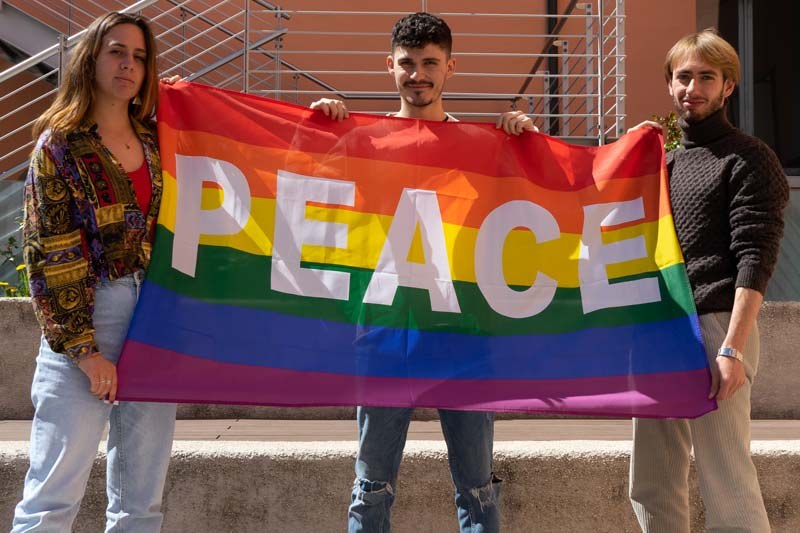
The University's values

University campuses
-
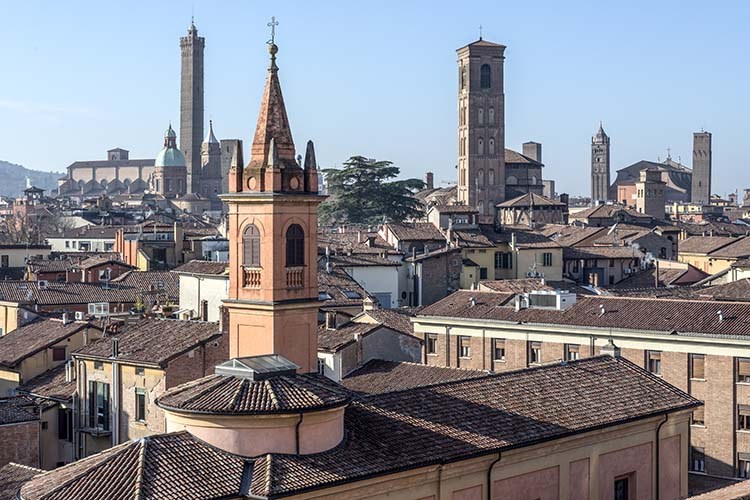
Bologna Campus
Testimonies from the past and experiences from the present intertwine in the academic facilities in Bologna.
-
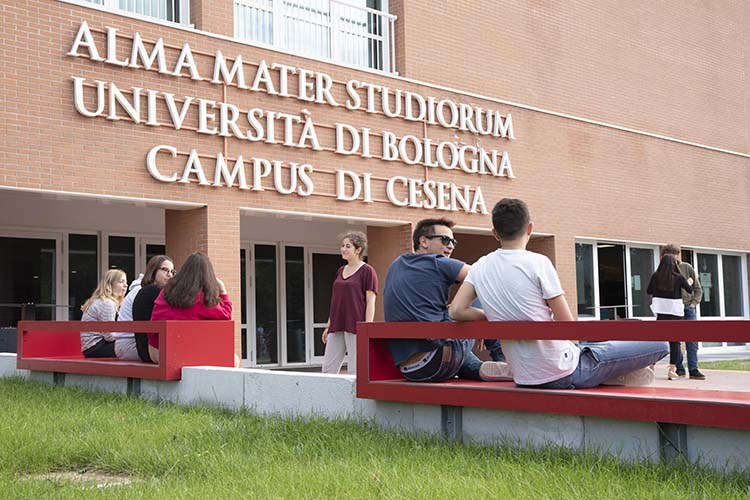
Cesena Campus
The Campus stands out for its strong link with local companies, serving as a bridge between academia and the business world.
-
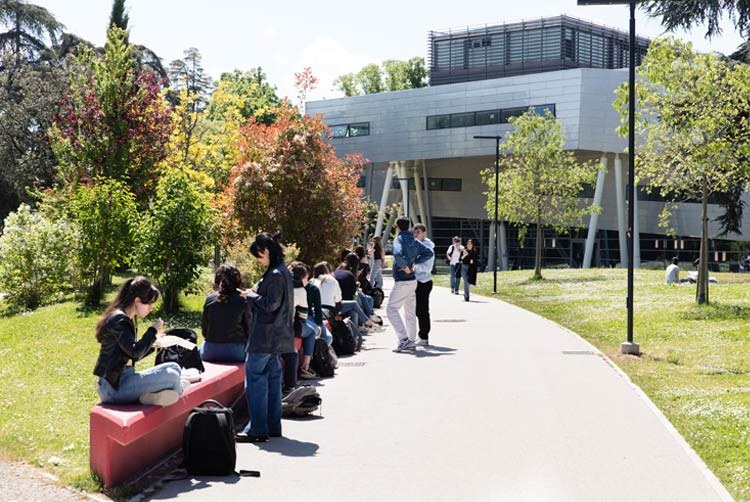
Forlì Campus
A modern and dynamic Campus with facilities and services in the heart of a liveable and accessible city.
-
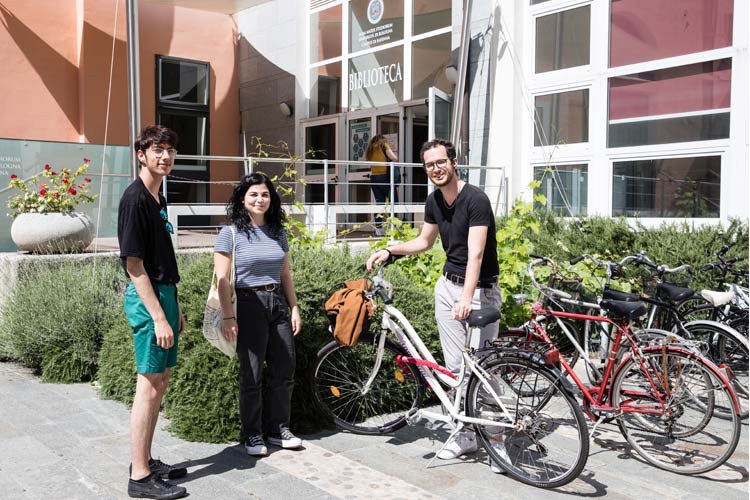
Ravenna Campus
A unique experience that allows you to connect closely with the history, art and ecosystem of a highly stimulating city.
-
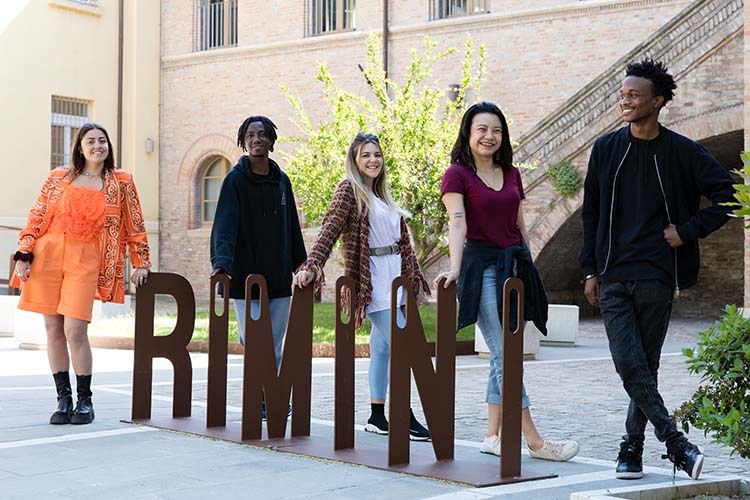
Rimini Campus
A people-focussed meeting place for cultures and ideas from all over the world.